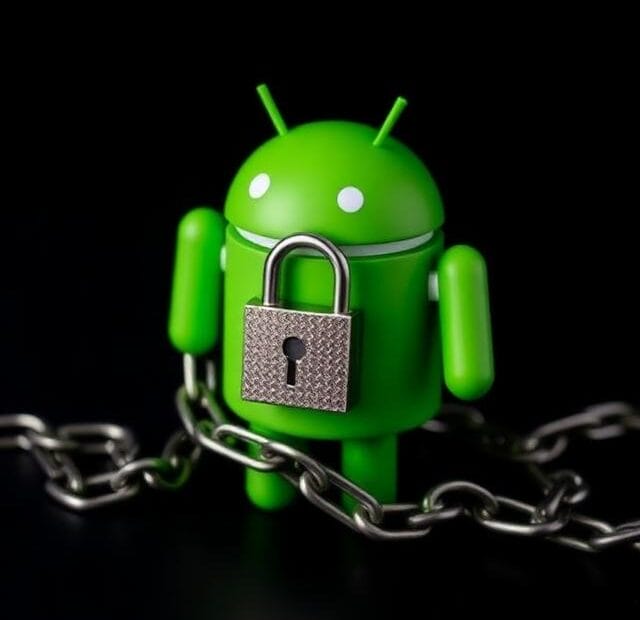
Google’s recent plans to severely restrict sideloading on Android devices mark a troubling shift away from user freedom and privacy. Sideloading — the ability to install apps outside the official Google Play Store — has been a cornerstone for tech-savvy users, FOSS enthusiasts, and privacy-conscious individuals who want to avoid Big Tech’s walled gardens. Now, Google is moving to lock down this critical feature, and the implications go far beyond just the tech community.
Why Sideloading Matters
Sideloading empowers users to install apps from alternative sources, including open-source projects, independent developers, and privacy-focused app stores. It’s a vital tool for those of us who run home labs, prefer FOSS, and prioritise privacy over convenience. Without sideloading, we’re forced into Google’s curated ecosystem, where data collection is rampant and user choice is limited.
This isn’t just about convenience or hobbyist tinkering. Sideloading is a safeguard against monopolistic control. It allows innovation, competition, and the ability to use software that respects your privacy and security — something Google’s Play Store often fails to guarantee.
A Personal Example: My Facebook Wrapper App
To put this into perspective, I created my own Facebook app. It is essentially a hardened web wrapper around the mobile website. This app lets me follow friends and keep up with updates without getting lost in the noise of AI-generated or algorithmically suggested posts. More importantly, it helps mitigate the invasive tracking that the official app embeds.
I designed this app to live quietly in my app drawer, avoiding the clutter of multiple browser shortcuts on my home screen. I never post anything on Facebook, and my account is tightly locked down for privacy. This app is a perfect example of why sideloading matters: it gives me control over how I interact with a platform I don’t fully trust, without sacrificing usability. If Google’s sideloading restrictions had been in place, creating or using such an app would be far more difficult, if not impossible.
The Privacy and Security Fallacy
Google justifies these restrictions by citing security concerns, but this argument misses the mark. Sideloading itself isn’t inherently unsafe; it’s the lack of transparency and control in Big Tech’s ecosystems that pose the real risks. Experienced users know how to vet apps and install them safely outside official channels.
By forcing everyone to rely solely on the Play Store, Google gains even more control over what software you can run and how your data is handled. This centralisation increases the risk of surveillance, data exploitation, and censorship.
What This Means for Everyone
While this move might seem targeted at tech enthusiasts, the consequences will ripple out to all Android users. Restricting sideloading limits access to alternative app stores, privacy-focused apps, and niche software that doesn’t fit Google’s business model. It stifles competition and innovation, ultimately reducing choice for everyone.
For everyday users, this means fewer options, less control over their devices, and increased exposure to data-hungry platforms. For the privacy-conscious, it’s a direct attack on the ability to protect personal information and maintain digital autonomy.
The Bigger Picture: A Warning for the Open Ecosystem
Google’s sideloading crackdown is part of a broader trend of Big Tech tightening its grip on digital ecosystems. It’s a reminder that the fight for privacy, security, and user freedom is far from over. For those of us who value open platforms, decentralisation, and control over our own data, this is a call to action.
We must continue to support and develop alternative platforms, advocate for user rights, and remain vigilant against creeping control by tech giants. Sideloading isn’t just a feature — it’s a symbol of digital freedom that we cannot afford to lose.
Resources and Action:
Private Facebook Wrapper App on GitHub
Stop Google from Limiting APK File Usage
Keep Android Open