I’ve spent years banging on about Linux being the only sane escape from Big Tech’s constant overreach. It’s not just theory, either. My sister recently handed me a 2020 MacBook Air she’d been given but had basically given up on because it was so sluggish and fussy. I wiped it, threw Fedora on there, and suddenly it’s a snappy, reliable machine that actually respects her privacy. No bloat, no tracking, it just works. It’s a perfect example of why I bother with FOSS in the first place, taking back hardware that’s been held hostage by proprietary nonsense.
But if I’m honest, I’m starting to get a bit twitchy. This whole “Year of Linux” thing we’ve been joking about since the nineties? It’s still a myth, but the way it’s closing in feels wrong.
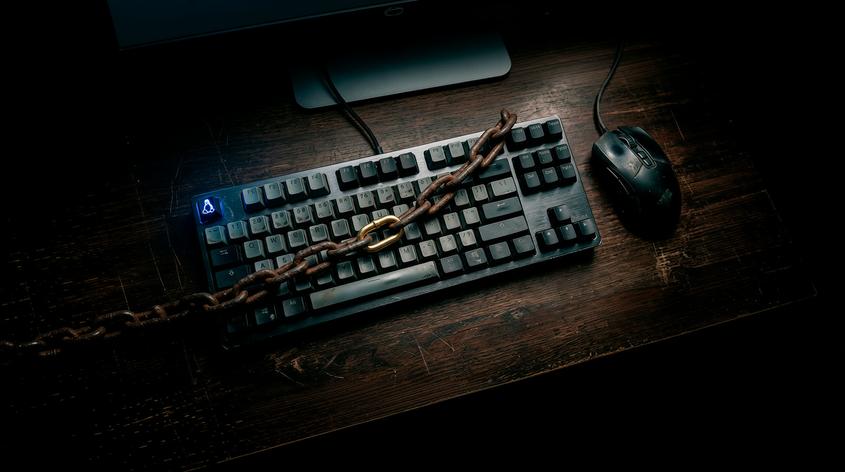
While we’re all distracted by how good the Steam Deck is, governments and the big corporate players are busy building a digital cage. Look at California’s Digital Age Assurance Act (AB-1043). From January 2027, OS vendors are basically being conscripted into acting as border guards. They have to bake age-collection interfaces right into the setup process, sorted by “under 13” or “18+” brackets. If they mess up, they’re looking at fines of £2,000 for being negligent, or a massive £6,000 per child if the state decides they did it on purpose. You can bet your last penny that Microsoft and Apple aren’t going to risk those fines. They’ll just make the chains heavier.
Right now, the law talks about “self-reported” birthdays and “signals” sent to apps. I’ve seen this movie before, and it always starts with a tick-box and ends with a face scan. Microsoft is already laying the groundwork with “Face Check” and Entra Verified ID. They swear it’s for high-assurance enterprise stuff for now, but give it a year. It’ll be forced into the consumer OOBE before you know it. We’re already fighting to bypass mandatory
We’re already fighting to bypass mandatory Microsoft accounts with registry hacks and killing tasks in the manager just to reach our own desktops. It’s exhausting.
And don’t even get me started on Microsoft Family Safety. There are plenty of stories floating around about unverified minor accounts getting locked or nuked. Microsoft hasn’t officially confirmed a delete-on-sight policy yet, but the inconsistency is almost worse. It’s digital gaslighting.
My real fear is that this is going to fracture Linux right down the middle. We’re going to see a rise in “Sanitised Linux,” corporate-backed distros with immutable filesystems, verified kernels, and mandatory age gates to keep the regulators happy. It’ll be Linux in name only, basically Android for the desktop: sterile, locked down, and safe for investors.
Then you’ll have the rest of us. The Arch, Debian, and CachyOS users who refuse to bake government tracking into our systems. The “Free Rebel” crowd. My worry is that as “Sanitised Linux” becomes the industry standard, the real stuff will be sidelined. You’ll try to log into your bank or a government service and get told your OS isn’t compliant. Digital exile, essentially.
Education is the fix, not mandates. I teach my kids how to navigate this stuff responsibly because that’s my job, not some politician’s.
I’m a parent, and I get it; the internet is a bin fire. These heavy-handed safety controls just erode privacy for everyone while catching exactly zero of the actual bad actors.
We’re at a crossroads, and it’s not a comfortable one. We have to decide now: do we take the easy route of a sanitised desktop, or do we double down on the harder, more manual path of actual digital sovereignty? The gap between user-friendly and user-owned is becoming a canyon, and the choice, if we still have one, is getting a lot more expensive.